
Eos Energy Enterprises Explained: The High-Risk Bet on Long-Duration Grid Storage
Summary
• Eos Energy Enterprises focuses on long-duration battery storage designed for grid-scale use
• Its zinc-based technology targets gaps left by lithium-ion batteries
• The company’s future depends on execution, funding, and large utility contracts
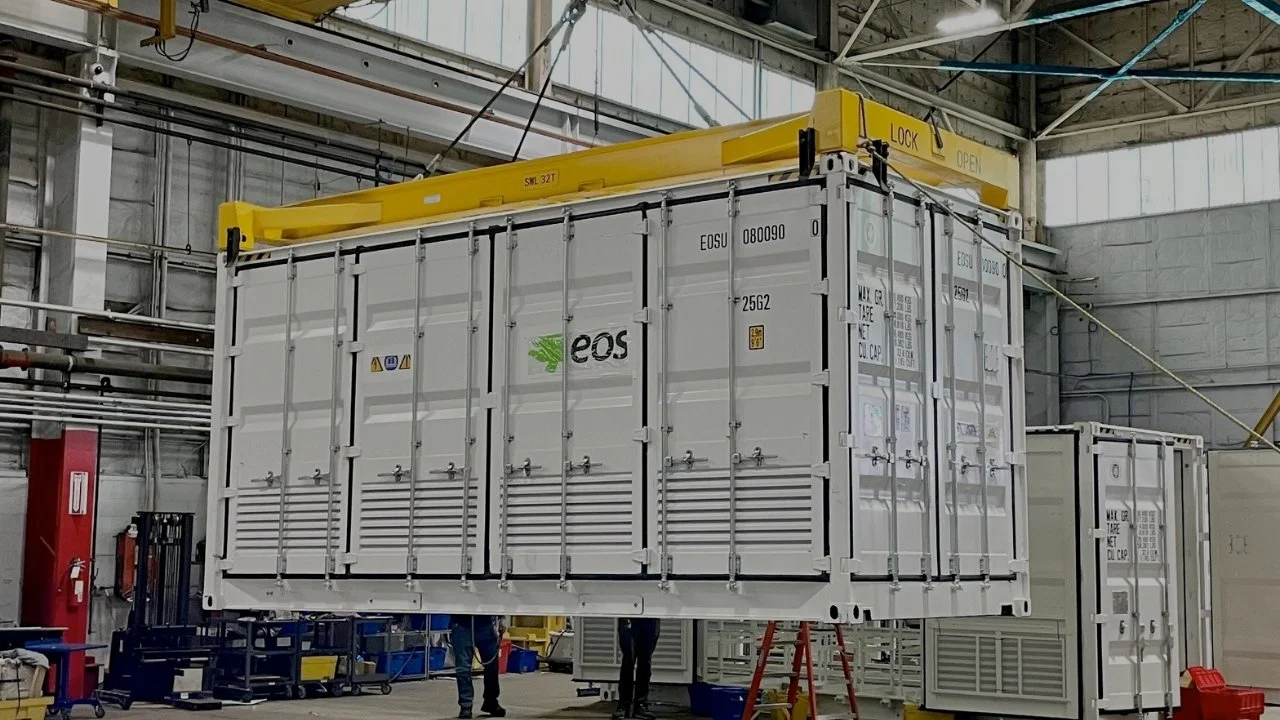
Eos Energy Enterprises develops zinc-based battery systems built for long-duration energy storage. These systems are designed to store power for several hours or longer, supporting grid stability rather than short bursts of demand.
Unlike lithium-ion batteries, Eos Energy Enterprises markets its technology as safer and better suited for stationary grid use. The company positions its batteries as less reliant on scarce materials and more resilient for utility environments.
The core opportunity for Eos Energy Enterprises sits in renewable integration. As solar and wind generation increase, grids need storage that can smooth supply when generation drops.
Revenue today is still limited. Eos Energy Enterprises remains in a scaling phase, with much of its valuation tied to future contracts rather than current cash flow.
Government support and utility partnerships are critical to the Eos Energy Enterprises story. Policy incentives for domestic manufacturing and grid resilience directly affect demand for its systems.v
The market watches Eos Energy Enterprises because long-duration storage is a known bottleneck. If utilities move beyond lithium-ion, alternatives like zinc-based systems could gain traction.
Risk is substantial. Manufacturing challenges, funding needs, and slower-than-expected adoption could pressure the business.
Eos Energy Enterprises represents a speculative corner of the grid transition. Success would place it at the heart of future power infrastructure, but execution will determine everything.