
NuScale Power Explained: The Reality Behind Small Modular Nuclear Reactors
Summary
• NuScale Power focuses exclusively on small modular nuclear reactor technology
• Its business depends on licensing, deployment agreements, and government support
• Commercial adoption, not reactor design, is the main challenge ahead
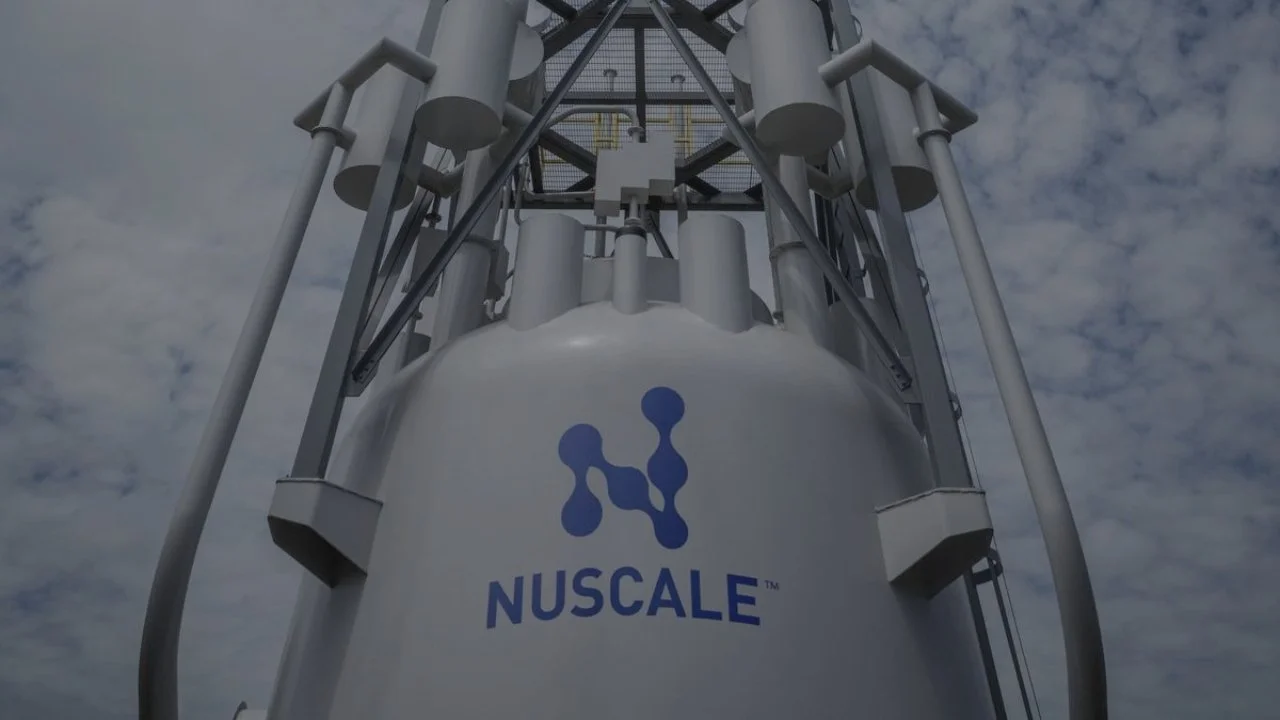
NuScale Power develops small modular reactors designed to be deployed in scalable units. These reactors aim to lower construction risk by standardising design and reducing on-site complexity.
Unlike traditional nuclear projects, NuScale Power’s reactors are built as modules. Utilities can add capacity gradually rather than committing to massive upfront investments.
The company’s revenue today is limited. NuScale Power primarily generates income through licensing, engineering services, and development agreements rather than power sales.
Investor attention centres on commercial adoption. Securing long-term customers and project financing is critical to NuScale Power’s future.
Government policy plays a major role. Support for nuclear energy, loan guarantees, and energy security initiatives directly affect NuScale Power’s prospects.
The risk profile is clear. Project delays, rising costs, or cancelled deployments could undermine confidence in the SMR model.
Still, NuScale Power remains a reference point for modular nuclear. If utilities move toward smaller, flexible reactors, its technology is already far along the regulatory path.
NuScale Power represents the execution phase of nuclear innovation. The technology exists, but commercial delivery will decide its long-term value.