Sidus Space Explained: Building the Infrastructure Layer of the Modern Space Economy
Summary
• Sidus Space operates across satellites, AI-driven data, and space mission infrastructure
• Its vertically integrated model combines hardware, software, and analytics in one platform
• The company targets defense, commercial, and government customers across multiple domains

Sidus Space is a space and defense technology company focused on delivering end-to-end space infrastructure. Unlike many early-stage space firms, Sidus Space operates across hardware, software, and data rather than relying on a single revenue stream.
At the centre of the business is vertical integration. Sidus Space designs and manufactures satellites, operates them in orbit, and turns raw space data into usable intelligence through AI-driven analytics.
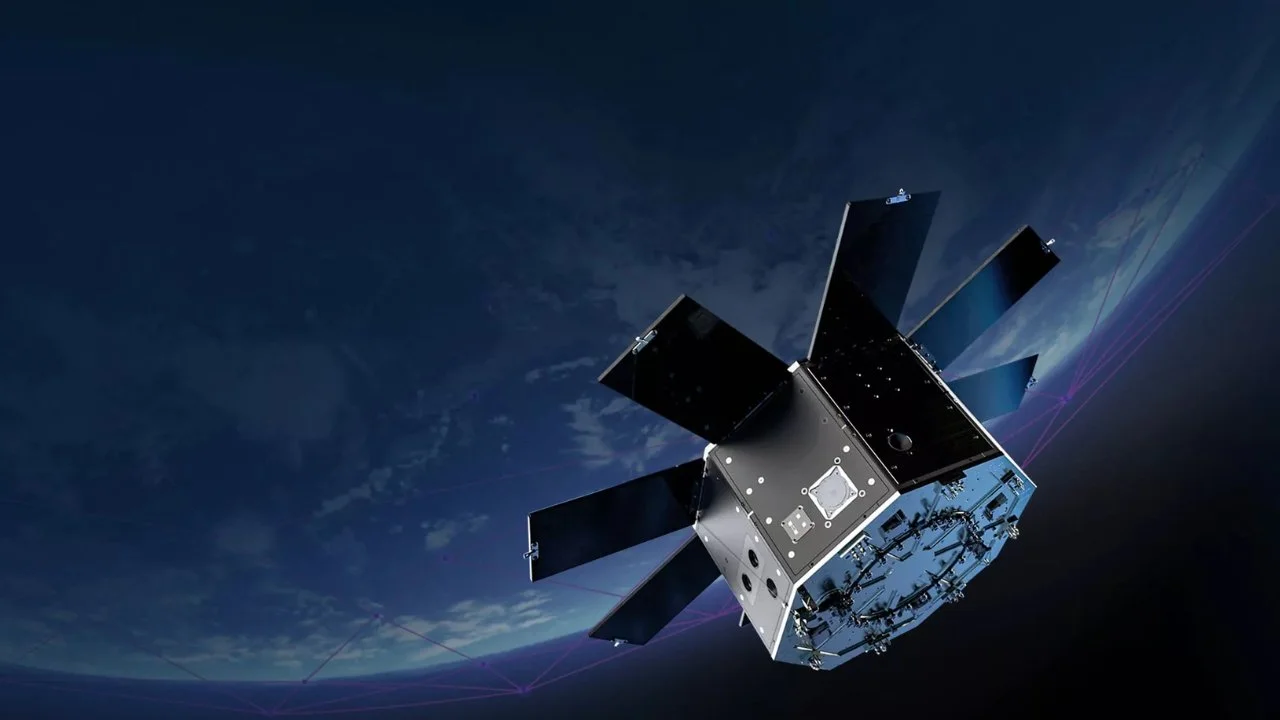
The LizzieSat satellite platform is a core asset. It is a low-cost, multi-mission satellite architecture designed to support different payloads without requiring a custom build each time.
This approach allows Sidus to deploy satellites faster and at lower cost. Fewer satellites can support more missions, improving capital efficiency.

Sidus Space positions itself as a data company as much as a space company. Its satellites collect information that is processed using AI to deliver insights for customers across air, land, sea, and space operations.
Use cases span environmental monitoring, maritime tracking, infrastructure observation, and defense-related intelligence. These applications prioritise timely data delivery over ultra-high resolution.
Mission operations are another key differentiator. Sidus Space manages satellite control, tasking, and data downlink in-house, giving it tighter control over performance and customer delivery.
Manufacturing capability adds resilience to the business model. Sidus Space operates advanced production facilities that support both satellite hardware and space-qualified components.
This manufacturing base also enables dual-use opportunities. Technologies developed for space can be applied to defense, aerospace, and industrial systems.
The company’s focus on AI-driven data services reduces reliance on satellite launches alone. Customers are paying for actionable information rather than raw imagery.
Revenue today reflects a mix of development contracts, early data services, and government-related work. Growth depends on scaling data subscriptions and expanding satellite deployments.
Sidus Space operates in a competitive environment. Large players dominate launch and high-resolution imaging, while startups crowd the small satellite space.
Its strategy avoids direct competition with hyperscalers. Instead, Sidus Space targets niche missions that value speed, flexibility, and custom data solutions.
Risk remains. Satellite deployment timelines, funding requirements, and customer adoption all affect near-term performance.
Execution matters more than technology. The market will judge Sidus Space on contract wins, recurring data revenue, and operational reliability.
Sidus Space is building infrastructure, not headlines. If demand for space-based data continues to expand across defense and commercial sectors, its integrated model could prove durable.