
ADM Energy Explained: The Overlooked Oil & Gas Strategy Built on What Already Exists
Summary
• ADM Energy focuses on proven oil and gas assets rather than high-risk exploration
• Its portfolio is centred on offshore and swamp assets in Nigeria with existing wells and discoveries
• The strategy prioritises capital efficiency, speed to cash flow, and reduced geological risk
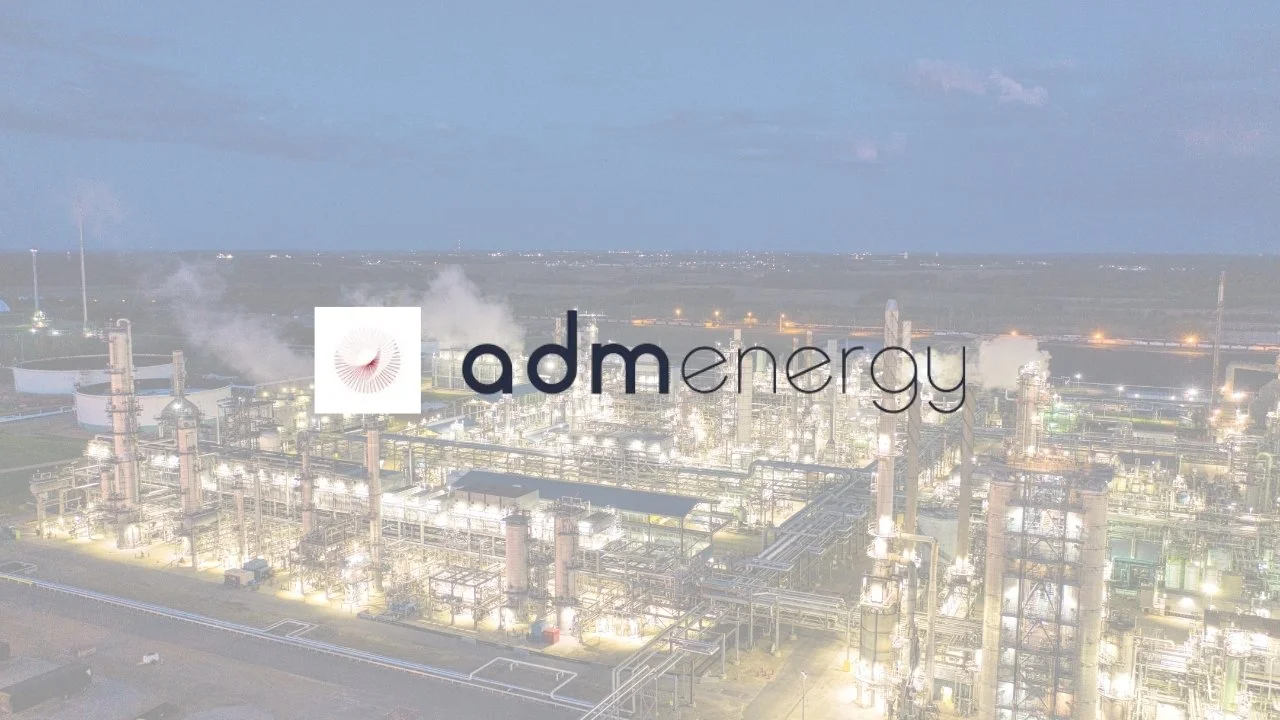
ADM Energy is not trying to reinvent the oil and gas sector. Its strategy is built around exploiting something many investors overlook: existing wells, known reservoirs, and assets where the hardest technical work has already been done.
Rather than operating as a traditional exploration company, ADM Energy positions itself as an asset investor. The focus is on acquiring interests in licences with confirmed hydrocarbons and realistic routes to production and revenue.
Nigeria sits at the centre of ADM Energy’s portfolio. The company’s approach reflects a belief that value still exists in regions with long production histories and established infrastructure.

The Aje field, known as OML 113, is one of ADM Energy’s core assets. It is a multi-reservoir offshore field containing oil, gas, and gas condensate across the Turonian, Cenomanian, and Albian sandstone formations.
What makes Aje compelling is certainty. Five wells have already been drilled, confirming hydrocarbons across multiple stacked reservoirs rather than a single zone.
That layered structure gives ADM Energy flexibility. Development can be staged, commodities can be balanced, and long-term upside remains without relying on unproven targets.
Gas is particularly important at Aje. As energy markets increasingly value transition fuels, existing gas discoveries with infrastructure potential become strategically attractive.
Barracuda, part of OML 141, provides a different but complementary profile. The licence covers roughly 1,295 square kilometres of swamp and shallow water in the Niger Delta.
This region has decades of production history. Barracuda already has four drilled wells, reducing geological uncertainty compared to frontier exploration projects.
Shallow water and swamp assets matter for capital discipline. They can often be developed incrementally, allowing faster routes to cash flow with lower upfront spending.
Zooming out, ADM Energy’s wider strategy is portfolio-driven. The company targets assets where historical investment has reduced risk, but value has not yet been fully realised.
This reflects a broader industry shift. As large producers focus on scale and transition, smaller proven assets are frequently divested or ignored.

ADM Energy aims to step into that gap. Its model prioritises structure, funding, and execution over discovery risk.
Leadership experience is central to this approach. Operating in West Africa requires technical knowledge alongside regulatory, commercial, and regional understanding.
ADM Energy is not positioning itself as a short-term trading story. Its focus is on building value over time through disciplined asset selection.
Risk remains. Commodity prices, regulation, and execution always matter in oil and gas.
However, ADM Energy’s strategy is designed to manage those risks by concentrating on proven hydrocarbons and existing infrastructure rather than speculation.
In short, ADM Energy is building a targeted oil and gas portfolio anchored in Nigerian assets. Its growth strategy is aggressive in ambition, but grounded in geology that already exists.